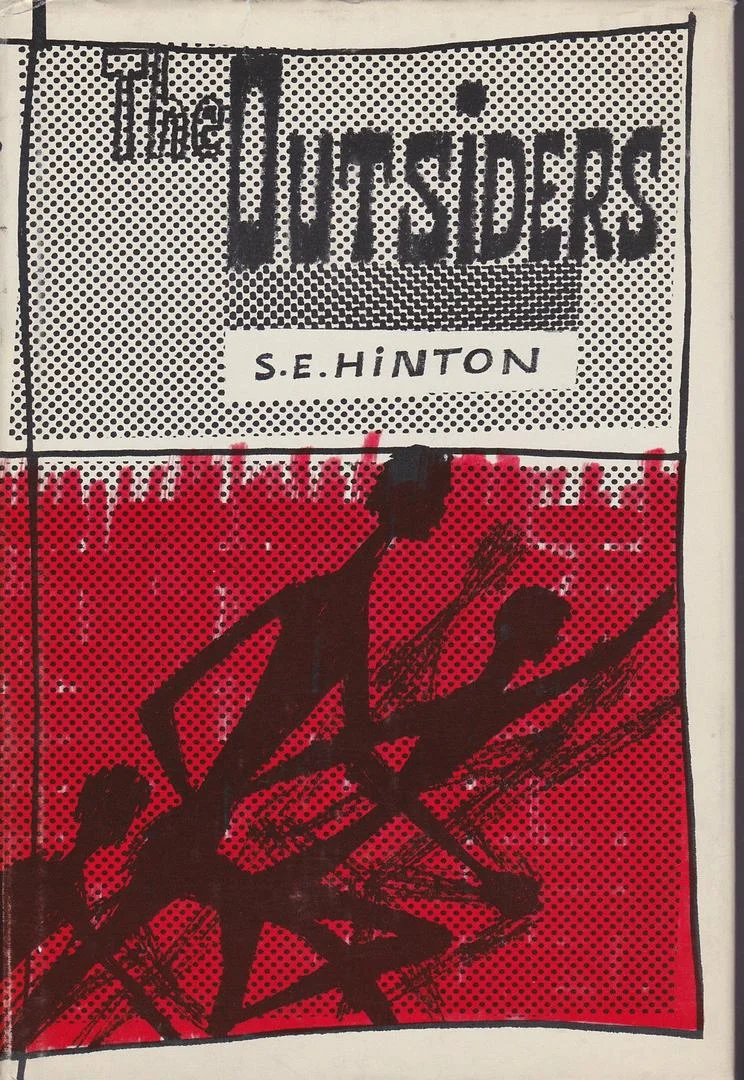
S.E. Hinton’s 1967 novel The Outsiders became an instant classic of young adult literature, offering a raw look at teenage life, class conflict, and the struggles of identity. Sixteen years later, Francis Ford Coppola adapted the novel into a film, which brought Ponyboy Curtis, Johnny Cade, and the rest of the Greasers to the big screen.
While the film stays faithful to much of the book’s structure and dialogue, its portrayal of teenage rebellion diverges in subtle but significant ways. The differences highlight how literature and cinema interpret youth angst, loyalty, and defiance according to the strengths of their respective mediums.
The intimacy of the novel versus the visibility of film
One of the clearest differences lies in perspective. The novel is narrated by Ponyboy in the first person, immersing readers in his thoughts, doubts, and struggles. Teenage rebellion in the book is often internal, expressed through Ponyboy’s yearning for freedom, resentment of social inequality, and desire to define himself outside the labels of “Greasers” and “Socs.” The film, however, cannot replicate this internal monologue with the same depth. Coppola instead emphasizes visible actions—fights, confrontations, and gestures of defiance. As a result, rebellion in the movie feels more externalized, grounded in what the audience can see rather than what the characters reflect upon.
Stylistic choices and cinematic rebellion
Coppola’s directorial style also alters the mood of rebellion. Known for grand visuals in films like The Godfather and Apocalypse Now, he brings a heightened sense of drama to The Outsiders. Slow-motion sequences, dramatic lighting, and an almost operatic score turn the Greasers’ confrontations into stylized events. While the novel portrays rebellion as gritty and personal, the film frames it as cinematic spectacle, amplifying the sense of teenagers caught in a larger-than-life struggle. This stylistic shift makes the rebellion look more heroic, even mythic, compared to the quieter, more conflicted tone of Hinton’s text.
Class conflict made visual
The novel constantly returns to the idea of class struggle, contrasting the Greasers’ working-class poverty with the Socs’ privilege. Hinton conveys this through Ponyboy’s observations and commentary, inviting readers to empathize with his perspective. The film, by contrast, relies on costume, setting, and casting to underscore class divisions. The Greasers’ leather jackets, messy hair, and run-down neighborhoods visually oppose the Socs’ clean-cut appearances and affluent suburban homes. Teenage rebellion, in this visual form, becomes not only about rejecting authority but also about visibly standing apart from a more privileged social class. The contrast is sharper onscreen than on the page.
The fight scenes as spectacle
Rebellion in the novel often feels reluctant, with Ponyboy and others questioning the value of violence. While the book includes rumbles, its focus remains on the emotional consequences of fighting rather than the spectacle itself. The movie, however, highlights these scenes with choreographed intensity. The climactic rumble in the rain is shot with sweeping camera angles and dramatic pacing, turning it into the centerpiece of the narrative. This emphasis makes rebellion appear more thrilling and glamorous, even though the novel insists it leaves the characters exhausted and unchanged. The cinematic approach transforms rebellion into performance.
The role of friendship and loyalty
Both the novel and the movie emphasize the bonds between Greasers, but they do so differently. In the book, Ponyboy reflects constantly on what friendship means, especially through his relationships with Johnny and Sodapop. Rebellion often emerges in these reflections as loyalty to one another rather than simple defiance of society. The film conveys loyalty visually—through protective gestures, shared glances, and the ensemble presence of the group. This difference means the novel presents rebellion as an inward choice rooted in reflection, while the film highlights rebellion as a collective identity demonstrated through solidarity.
Johnny’s rebellion reinterpreted
Johnny Cade’s character provides one of the clearest contrasts. In the novel, Johnny’s act of killing Bob during the confrontation in the park is depicted as tragic and reluctant, symbolizing how systemic violence traps teenagers in impossible situations. Ponyboy’s narration makes it clear that Johnny is not rebelling for glory but out of desperation. In the film, the scene unfolds with heightened intensity and quicker pacing, giving it a sharper sense of confrontation. While Coppola does not glamorize the killing, the visual urgency makes Johnny’s rebellion feel less introspective and more impulsive, shifting its meaning for viewers.
Ponyboy’s poetic rebellion
One of the novel’s most distinctive aspects is Ponyboy’s sensitivity. His love for sunsets, poetry, and literature sets him apart from his peers. These reflections frame his rebellion not as violent defiance but as a yearning for beauty and understanding in a divided world. The novel often pauses to allow Ponyboy to interpret events through his artistic lens, especially in his reaction to Robert Frost’s poem “Nothing Gold Can Stay.” The film retains these moments but condenses them, leaving less room for poetic reflection. As a result, Ponyboy’s rebellion in the movie appears more physical than intellectual, downplaying the artistic dimension of his defiance.
The ending and its message
Both versions end with Ponyboy beginning to write his story, suggesting that rebellion ultimately finds its voice in creation rather than destruction. Yet the tone differs: the novel leaves readers with a strong sense of personal reflection, while the movie closes with a broader sense of reconciliation framed by visual drama. The difference highlights how literature and film shape rebellion according to their mediums: the book through inner growth, the film through external resolution.
Comparing the mediums’ impact on rebellion
By comparing the novel and the film, we see that teenage rebellion shifts in meaning depending on how it is portrayed. In the book, rebellion is deeply personal, filtered through Ponyboy’s thoughts and reflections, questioning violence while seeking identity. In the movie, rebellion becomes more visible, stylized, and communal, expressed through spectacle and group solidarity. Both approaches resonate with audiences, but they capture different dimensions of teenage defiance: one inward and questioning, the other outward and cinematic.
The enduring spark of teenage defiance
The Outsiders endures because it captures the universal tension between adolescence and authority, belonging and alienation. Hinton’s novel portrays rebellion as a search for meaning within a fractured world, while Coppola’s film presents it as a collective stance made visible through style and spectacle. Each medium transforms rebellion to suit its strengths, offering readers and viewers complementary perspectives on what it means to resist, belong, and define oneself. Together, they ensure that the story continues to inspire generations to reflect on the many faces of youthful defiance.