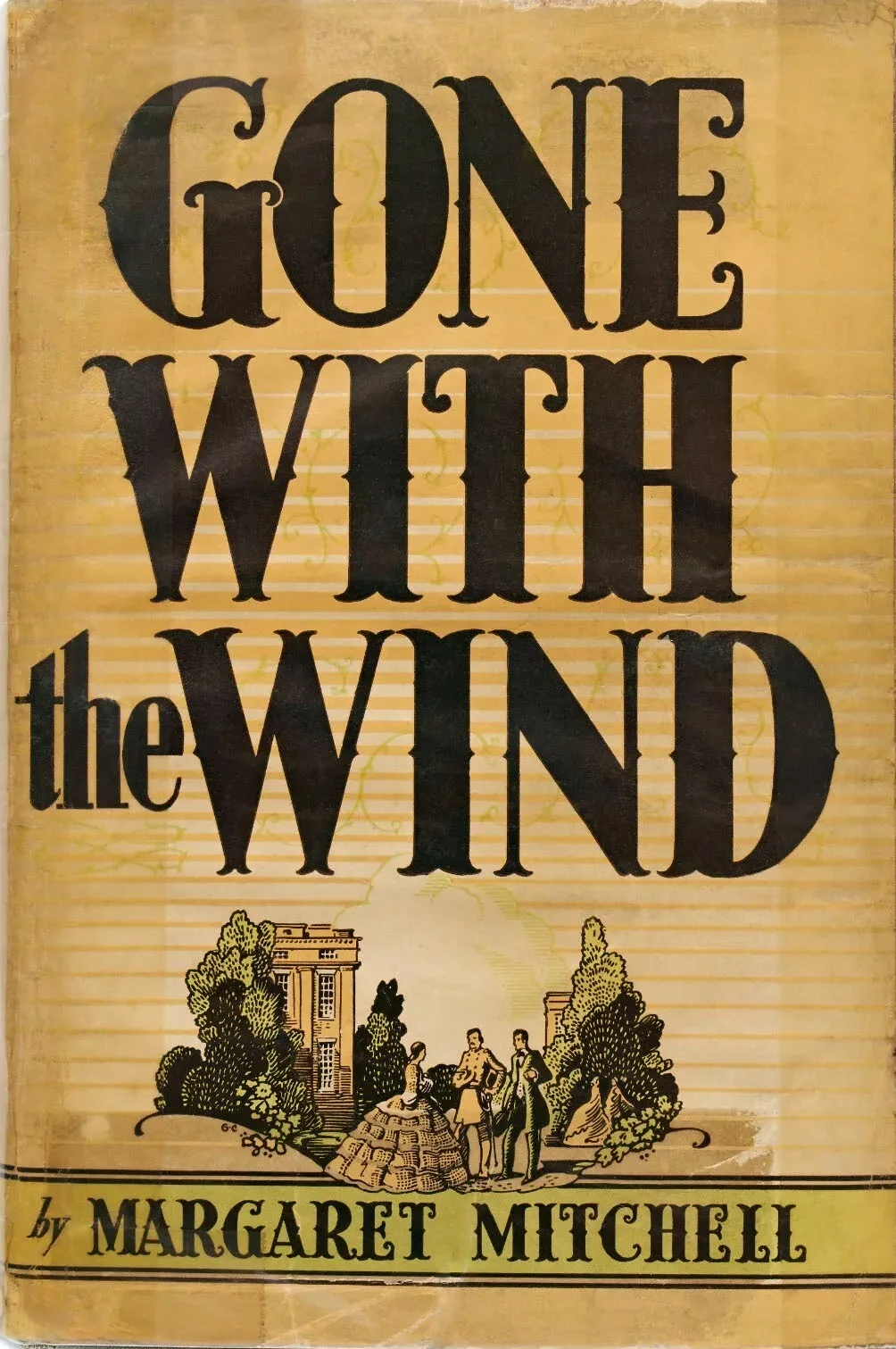
Margaret Mitchell’s 1936 novel Gone with the Wind introduced readers to Scarlett O’Hara, a headstrong Southern woman whose resilience, ambition, and selfishness made her one of literature’s most complex heroines. Three years later, the 1939 film adaptation directed by Victor Fleming transformed the story into one of the most iconic works of American cinema.
Yet the film’s portrayal of Scarlett did more than merely translate words into images—it reshaped how audiences understood her character. Vivien Leigh’s performance, the constraints of Hollywood storytelling, and the cultural climate of the late 1930s all contributed to altering Scarlett’s image, softening some of her traits while emphasizing others. The result was a shift in perception that continues to influence how people remember her today.
The novel’s Scarlett: ruthless and resourceful
In Mitchell’s original novel, Scarlett O’Hara is unapologetically ruthless. She lies, manipulates, and pursues her own interests with little regard for morality or social conventions. Her survival during the devastation of the Civil War is depicted as a result of her relentless pragmatism. Scarlett marries multiple times for financial and social security, schemes to maintain Tara, and even exploits convict labor in her business ventures. Mitchell presents her neither as a traditional heroine nor as a villain but as a profoundly flawed individual whose ambition ensures her survival. Readers are challenged to admire her tenacity while recoiling from her selfishness. This moral complexity is what made Scarlett such a groundbreaking literary figure.
The film’s Scarlett: softened for the screen
While Vivien Leigh’s performance captured much of Scarlett’s ambition and defiance, Hollywood’s adaptation softened her image in several ways. The screenplay condensed and simplified aspects of her behavior, omitting some of her harsher actions, such as her use of prison labor. Her ruthless business decisions are largely downplayed, and greater emphasis is placed on her romantic struggles with Rhett Butler and Ashley Wilkes. By shifting the focus from Scarlett’s opportunism to her romantic entanglements, the film framed her less as a survival-driven antihero and more as a tragic romantic figure. This change aligned with Hollywood conventions of the time, which preferred female leads to be softened for broader audience appeal.
Vivien Leigh’s charisma and performance
Vivien Leigh’s portrayal of Scarlett O’Hara was central to how audiences came to perceive the character. Leigh infused Scarlett with charm, wit, and undeniable beauty, traits that made her easier to admire and empathize with, even when her actions were selfish. Her screen presence balanced Scarlett’s manipulative tendencies with moments of vulnerability, ensuring audiences remained invested in her journey. Leigh’s Scarlett became a glamorous figure of cinematic history, overshadowing some of the morally complex and less flattering qualities that Mitchell had written. The result was a character who seemed more sympathetic and tragically flawed than dangerously opportunistic.
The romanticization of Scarlett’s resilience
One of the most significant changes the film introduced was the romanticization of Scarlett’s resilience. In the novel, her famous declaration, “I’ll never be hungry again,” is a stark moment of survivalism, showcasing her willingness to do whatever it takes to endure. In the film, this line becomes a symbol of triumph, accompanied by stirring music and dramatic cinematography. Scarlett’s determination is reframed not as ruthless pragmatism but as inspirational perseverance. This shift encouraged audiences to view her less critically and more as a figure of admiration, cementing her as an emblem of survival rather than moral ambiguity.
Scarlett as a symbol of Southern nostalgia
The film also contributed to reshaping Scarlett’s image by positioning her within the broader narrative of Southern nostalgia. Hollywood’s production softened depictions of slavery and racial violence, presenting the Old South through a romanticized lens. Within this framework, Scarlett became a symbol of Southern endurance, embodying the struggle to maintain tradition and stability in the face of loss. While the novel presented Scarlett as a disruptive force challenging gender and social norms, the film’s framing often cast her as part of a larger cultural myth about Southern resilience. This alignment with nostalgia muted some of her subversive qualities and tied her more directly to the film’s controversial idealization of the antebellum South.
The emphasis on romance with Rhett Butler
In Mitchell’s novel, Scarlett’s fixation on Ashley Wilkes dominates much of her emotional life, and her complicated relationship with Rhett Butler is portrayed with layers of cynicism and mutual manipulation. The film, however, elevated the Scarlett–Rhett romance as the central narrative. By highlighting their passion, witty exchanges, and dramatic breakup, Hollywood reshaped Scarlett into a tragic romantic heroine rather than primarily a self-serving survivor. The focus on love softened the sharper edges of her ambition, encouraging audiences to sympathize with her longing and heartbreak. Scarlett’s moral compromises became secondary to her romantic struggles, further altering her legacy in popular imagination.
The influence of 1930s gender expectations
The cultural context of the 1930s also shaped how Scarlett was portrayed on screen. During this period, women’s roles in film often required balancing strength with femininity, ensuring characters remained palatable to audiences. Hollywood producers were reluctant to present a female lead who was entirely ruthless or unsympathetic. As a result, the film adaptation framed Scarlett within gendered expectations, amplifying her beauty, charm, and romantic vulnerability. This adjustment aligned with contemporary ideals of womanhood, which often demanded that even ambitious female characters retain a core of traditional femininity. Scarlett, therefore, became both a rebel and a romantic icon, a balance that diminished some of her more radical qualities.
The film’s enduring impact on Scarlett’s image
The global success of the film meant that Leigh’s Scarlett quickly became the definitive version in public consciousness. For many, the cinematic Scarlett replaced Mitchell’s literary creation, shaping generations of perceptions about the character. When people think of Scarlett O’Hara today, they often recall Leigh’s iconic performance, her glamorous gowns, and her fiery exchanges with Rhett Butler, rather than the calculating, morally ambiguous survivor of the novel. The film’s influence ensured that Scarlett’s legacy became tied to Hollywood’s romantic and nostalgic framing rather than the novel’s more complex psychological portrait.
A character transformed by adaptation
The transformation of Scarlett O’Hara from Mitchell’s novel to the 1939 film adaptation demonstrates the powerful impact of cinema in reshaping literary characters. Scarlett’s image shifted from ruthless survivor to romanticized heroine, softened by Hollywood’s gender expectations, Leigh’s charismatic performance, and the cultural emphasis on Southern nostalgia. While the novel challenged readers with a morally complex protagonist, the film encouraged audiences to admire her resilience and sympathize with her heartbreak. This reimagining not only changed how Scarlett was perceived but also secured her place as one of the most enduring figures of twentieth-century cinema. In the process, Scarlett O’Hara became less a reflection of Mitchell’s critique of survival at all costs and more a cultural icon of tragic romance and Southern myth.