Hanya Yanagihara’s 2015 novel A Little Life quickly became a literary phenomenon, earning praise for its ambition and emotional intensity while also sparking fierce debates among critics and readers. The story follows four friends—Jude, Willem, JB, and Malcolm—over several decades in New York City, though it ultimately centers on Jude’s traumatic past and his struggle with identity, intimacy, and pain.
Nearly a decade later, the novel remains polarizing, celebrated by some as a modern masterpiece and dismissed by others as manipulative or excessive. The reasons for its divisive legacy lie in its narrative style, treatment of trauma, and its unconventional approach to the novel form.
The emotional intensity of Yanagihara’s prose
One reason A Little Life remains divisive is its uncompromising emotional intensity. Yanagihara crafts scenes of friendship, loyalty, and fleeting joy with lyrical beauty, but she also depicts scenes of abuse, self-harm, and despair in unflinching detail. For some readers, this intensity feels cathartic, offering an exploration of suffering that is rarely given such narrative space. For others, the relentlessness of pain feels overwhelming, leading to accusations of emotional manipulation. The novel’s refusal to offer balance between suffering and relief ensures that responses are rarely neutral—it either resonates deeply or repels.
The scale and ambition of the narrative
At over 700 pages, A Little Life is a sprawling novel that resists easy categorization. It blends elements of the traditional epic with intimate character study, creating a narrative that feels both grand and claustrophobic. The ambition of attempting to portray decades of friendship while diving deeply into one character’s trauma has been praised as bold and original. Yet its length and density also draw criticism: detractors argue that its excessive detail slows the narrative and that its commitment to Jude’s suffering narrows its thematic scope. This tension between scope and focus is central to why the novel divides opinion.
The portrayal of trauma
The novel’s most controversial element is its portrayal of trauma. Jude’s childhood is marked by horrific abuse, and his adulthood by cycles of self-harm and distrust. Yanagihara does not shield readers from the extremity of his experiences, instead layering detail upon detail of physical and psychological pain. Some see this as a powerful attempt to confront trauma without sanitization, giving voice to experiences often silenced. Others argue that the extremity strains credibility and veers into what some critics call “trauma porn,” using suffering as a tool to provoke emotional reaction rather than illuminate reality. This ongoing debate fuels the novel’s divisive status.
The absence of redemption
Many novels about trauma move toward healing or redemption, offering readers a sense of resolution. A Little Life resists this structure. While friendship and love provide moments of comfort, they do not ultimately save Jude from his despair. For readers expecting arcs of recovery, this absence feels nihilistic, even cruel. Yet for others, the refusal to impose redemption reflects honesty about the long shadows of abuse. The lack of conventional resolution is both what frustrates and what elevates the novel, depending on one’s expectations of literature.
The novel as an aesthetic experiment
Yanagihara has said that she approached A Little Life as a kind of experiment: what would happen if a book focused almost entirely on one character’s suffering, without retreating to plot-driven distractions or social commentary? In this sense, the novel functions as an aesthetic provocation, testing how much pain a narrative can contain while still holding readers. Those who view it as a deliberate experiment often admire its courage and originality. Others, however, question whether such an experiment should come at the cost of balance, nuance, or plausibility. The experimental quality ensures the novel provokes debate about the very nature of fiction.
The role of friendship
Although much of the discussion about A Little Life centers on trauma, the novel also portrays friendship with unusual depth. Willem’s devotion to Jude, Malcolm’s quiet support, and JB’s complicated role as both friend and critic highlight the sustaining power of chosen family. Some readers see this as the novel’s heart, a testament to how love can persist in the face of darkness. Yet others argue that even these relationships are flattened by Jude’s suffering, with characters becoming defined primarily by their relationship to him. The tension between friendship as salvation and friendship as insufficient adds to the book’s polarizing reception.
Critical reception and literary debate
Upon publication, A Little Life divided critics as sharply as readers. It was shortlisted for the Booker Prize and the National Book Award, hailed by some as a masterpiece of 21st-century fiction. At the same time, several prominent critics condemned it as indulgent, emotionally manipulative, or exploitative. The critical split illustrates how the novel resists consensus: its very qualities—length, intensity, extremity—are celebrated by some as its strengths and condemned by others as its weaknesses.
The cultural phenomenon
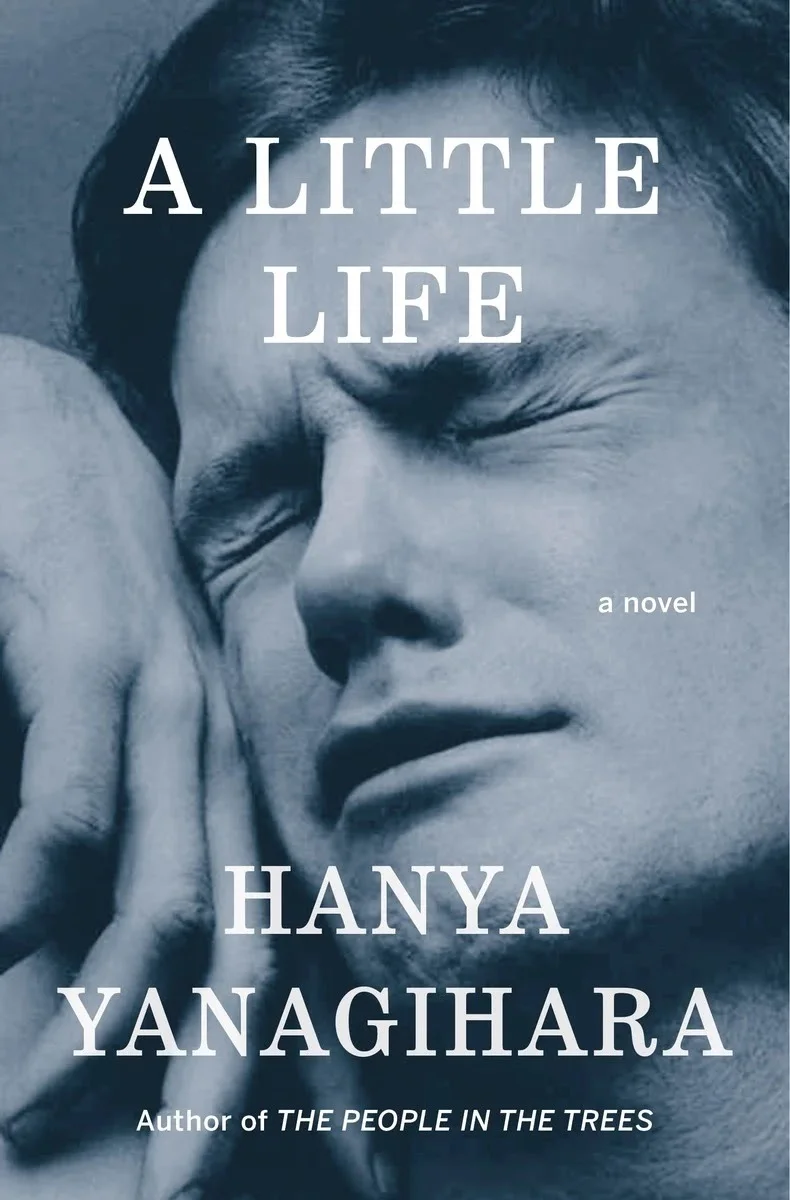
Beyond literary debates, A Little Life became a cultural phenomenon. Its iconic gray cover featuring a photograph of a man’s anguished face became instantly recognizable, and it spread rapidly through book clubs, online communities, and social media. The novel inspired stage adaptations and extensive academic analysis. Yet the cultural embrace also sparked further backlash, with some questioning whether such a bleak narrative should be marketed so widely. The tension between its popularity and its discomforting content is part of what keeps it divisive years later.
Reader expectations and generational responses
Another reason for its continued controversy lies in differing reader expectations. Younger readers, drawn to fiction that explores trauma with rawness and intensity, often find A Little Life deeply moving. Older readers or those accustomed to traditional narrative arcs sometimes reject its refusal to provide catharsis. The novel thus highlights generational differences in what literature is expected to do—offer comfort, provoke, or immerse readers in discomfort. These differing responses ensure its divisiveness persists.
A novel that demands conversation
Ultimately, A Little Life remains divisive because it refuses neutrality. It is too long, too intense, and too extreme to be ignored or casually consumed. Whether readers admire its ambition or recoil from its relentlessness, they are compelled to respond. In doing so, the novel fulfills one of literature’s most enduring purposes: to provoke reflection, debate, and engagement. Its divisive legacy suggests that it has secured a lasting place in literary culture—not because everyone agrees on its value, but because it forces readers to confront the boundaries of what fiction can and should do.
The legacy of discomfort
Years after its publication, A Little Life continues to unsettle, inspire, and divide. Its treatment of trauma, its aesthetic daring, and its refusal of redemption make it impossible to categorize neatly as either masterpiece or failure. Instead, it endures as a work that embodies the contradictions of modern literature—simultaneously moving and alienating, brilliant and exasperating. The novel’s divisiveness is not a flaw to be resolved but part of its legacy: a reminder that some works achieve greatness precisely because they leave readers unsettled, questioning, and unable to forget.