
What Makes the Ending of The Little Prince So Ambiguous and Emotional?
Antoine de Saint-Exupéry’s The Little Prince has captured the hearts of readers across generations with its poetic simplicity and philosophical... Continue Reading
Where Stories Rise Higher
Antoine de Saint-Exupéry’s The Little Prince has captured the hearts of readers across generations with its poetic simplicity and philosophical... Continue Reading

Franz Kafka’s The Trial, published posthumously in 1925, remains one of the most chilling examinations of modern life. Its protagonist,... Continue Reading

Anthony Burgess’s A Clockwork Orange, published in 1962, remains one of the most striking works of dystopian literature, not only... Continue Reading

Victor Hugo’s 1831 novel The Hunchback of Notre Dame is remembered for its tragic characters—Quasimodo, Esmeralda, Claude Frollo—but equally for... Continue Reading
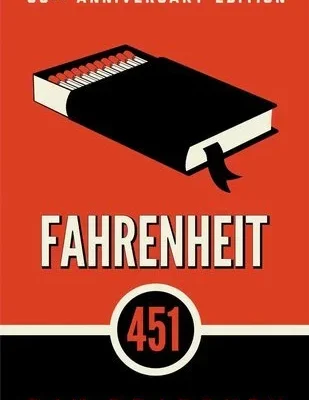
Ray Bradbury’s Fahrenheit 451, published in 1953, remains one of the most powerful dystopian novels of the 20th century. Set... Continue Reading
Books have always been more than a source of entertainment. In moments of uncertainty, grief, or stress, many people turn... Continue Reading
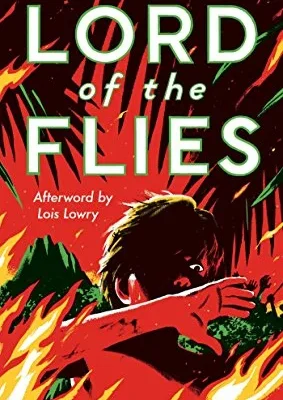
William Golding’s 1954 novel Lord of the Flies remains one of the most studied works of modern literature, often discussed... Continue Reading
Writers of classic literature often use natural phenomena to convey emotion indirectly. Among these, weather stands out as a powerful... Continue Reading

Mark Z. Danielewski’s House of Leaves introduces a house that operates outside the accepted rules of physical space. What begins... Continue Reading

Yann Martel’s Life of Pi is a novel that moves beyond survival and faith. At its heart lies a profound... Continue Reading