Leigh Bardugo’s Ninth House introduced readers to a dark reimagining of Yale University, where the university’s secret societies wield occult powers and a mysterious organization, Lethe House, keeps their activities in check. Blending campus mystery with urban fantasy, the novel established a world filled with gothic imagery, hidden rituals, and a protagonist who struggles with both trauma and newfound responsibilities.
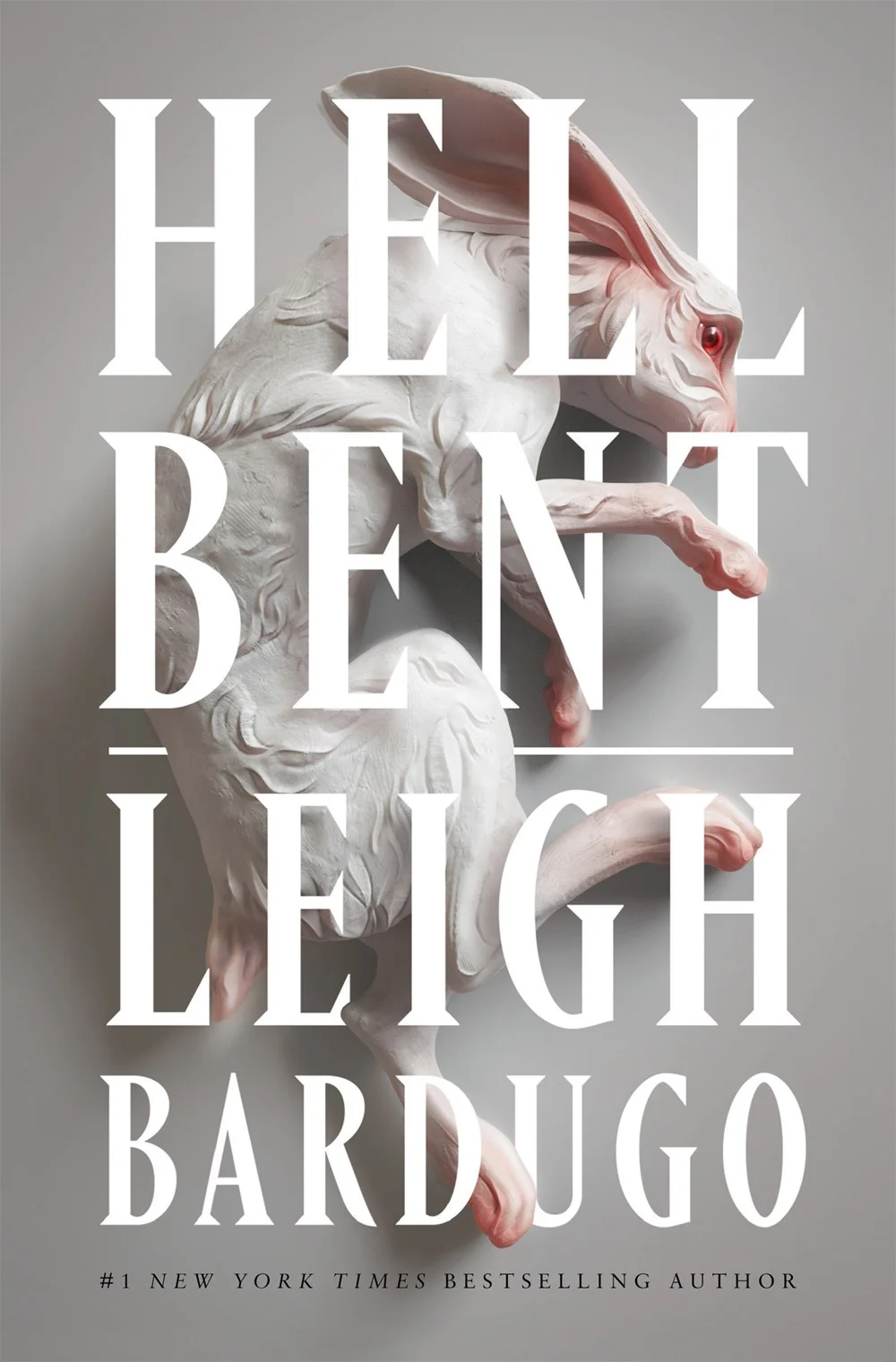
Its sequel, Hell Bent, does not simply continue this narrative—it deepens the mythos, expands the scope of danger, and pushes the characters into new territory. By building on the foundation of Ninth House, Bardugo creates a richer and more unsettling world that examines loyalty, morality, and the high cost of power.
Expanding Lethe House and the societies
In Ninth House, much of the narrative tension arises from Alex Stern’s role as a reluctant member of Lethe House, the watchdog tasked with overseeing the rituals of Yale’s secret societies. The societies are described with a mixture of fascination and menace, their magic tied to wealth and privilege. In Hell Bent, Bardugo expands the reach of these societies, showing how their rituals intersect with forces far beyond Yale’s campus. The organizations are no longer confined to eccentric but manageable groups of students; instead, they emerge as nodes in a broader network of occult power. This expansion raises the stakes and makes clear that the societies’ influence extends into political and economic realms beyond the university walls.
Alex Stern’s evolving role
Alex, the unlikely heroine who could see ghosts since childhood, was thrust into responsibility in Ninth House largely by necessity. In Hell Bent, her role evolves into that of a leader willing to take calculated risks to protect her allies. She shifts from passive survival to active decision-making, confronting not only the dangers of Yale’s magical underworld but also her own capacity for violence and manipulation. Bardugo uses Alex’s development to illustrate how trauma and resilience shape identity, pushing her character arc beyond discovery into questions of responsibility and sacrifice. This deepened portrayal makes Alex not just a guide to the reader but also the moral anchor of the narrative.
The return of Darlington
One of the most anticipated threads carried over from Ninth House is the fate of Daniel Arlington, or Darlington, Alex’s mentor and fellow Lethe member. By the end of the first book, Darlington is lost to a demonic transformation, leaving his return uncertain. In Hell Bent, Bardugo takes this unresolved storyline and turns it into the centerpiece of the plot. The quest to rescue Darlington from a hellish realm not only drives the narrative forward but also serves as an emotional touchstone. His absence in Ninth House created a vacuum of authority and companionship for Alex, and his presence in Hell Bent forces her and the other characters to redefine loyalty, friendship, and what it means to fight for someone who may no longer be the same.
Darker stakes and new settings
Ninth House already pushed the boundaries of dark academia with its ghostly apparitions, grisly murders, and sinister rituals. Hell Bent intensifies these elements, shifting from mystery to a more action-driven descent into hell itself. Bardugo expands the world beyond Yale’s campus, showing that the dangers of magic are not confined to cloistered libraries and shadowy quads. The new settings—ritual chambers, underworld gateways, and liminal spaces—highlight how fragile the barrier between the human world and other realms has become. By situating her characters in increasingly perilous environments, Bardugo emphasizes the magnitude of what they are up against: forces older, hungrier, and more powerful than any secret society.
Themes of loyalty and betrayal
While Ninth House explored themes of survival and belonging, Hell Bent turns to questions of loyalty and betrayal. Alex must rely on her alliances more than ever, pulling together a found family of misfits, skeptics, and reluctant allies. Yet the novel also underscores the fragility of trust—characters are tested by divided loyalties, moral compromises, and secrets that resurface at critical moments. Bardugo presents loyalty as a force that both strengthens and endangers: it motivates characters to risk everything for one another, but it also exposes them to devastating consequences when faith is misplaced. This thematic deepening reflects the harsher world of Hell Bent, where survival requires both trust and suspicion in equal measure.
The evolution of Yale as a character
In both novels, Yale University is more than a backdrop; it is a character in its own right. In Ninth House, Bardugo used the university’s architecture and traditions to create a sense of haunted grandeur. Hell Bent builds on this by peeling back even more layers of the institution’s history and showing how deeply magic is entwined with its legacy. The university’s gothic buildings, labyrinthine tunnels, and hidden chambers gain new significance as portals to otherworldly forces. Bardugo reimagines Yale not just as a place of privilege and learning but as a living, breathing entity complicit in the bargains struck between humans and the supernatural.
Interplay of trauma and resilience
Alex’s traumatic past has always been central to her character, shaping her distrust of authority and her survival instincts. In Hell Bent, trauma is no longer just background but an active element of the plot. Characters confront not only external threats but also the scars left by past violence, exploitation, and loss. Bardugo uses these struggles to show how resilience is forged in the crucible of suffering. Importantly, the novel avoids romanticizing trauma, instead acknowledging its costs while illustrating how characters build strength and solidarity from shared pain. This nuanced portrayal allows Hell Bent to move beyond being a supernatural thriller into a narrative that grapples with the psychological toll of survival.
The blending of genres
Ninth House established Bardugo’s willingness to blend genres, weaving together gothic horror, campus drama, and urban fantasy. Hell Bent extends this blending by incorporating elements of quest narratives, horror mythology, and even heist-like teamwork. The result is a story that defies easy categorization while keeping readers engaged through its shifting tones. By expanding the genre palette, Bardugo prevents the sequel from feeling repetitive, instead offering a new experience that still builds naturally from the foundation of the first book. This hybrid approach mirrors the complexity of the world itself, where the boundaries between reality and the supernatural blur constantly.
Building a saga of power and consequence
With Hell Bent, Bardugo transforms what began as a dark campus novel into a saga about power, consequence, and the fragile balance between worlds. By expanding the mythology, deepening character arcs, and raising the stakes, she ensures that the Lethe House series is not merely a story of students and secret rituals but a broader meditation on the costs of wielding power in a world riddled with corruption and danger. In doing so, she demonstrates how sequels can both honor the foundation of the first book and transcend it, creating a narrative that feels at once continuous and newly unsettling.

